FAQ'S

WHAT IS MEDIATION

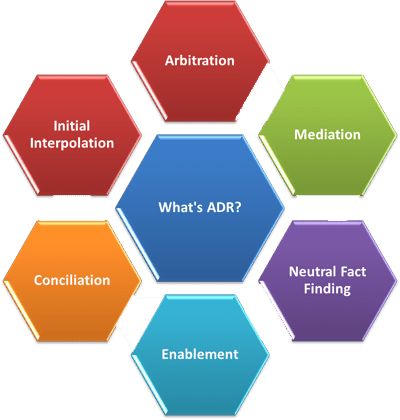
Mediation is one of the effective tools of Alternative Dispute Resolution system. More precisely Mediation is;

  •  A structured, informal assisted negotiation process for an agreement.
  •  A process in which a neutral/third party mediator encourages and facilitates the resolution of a dispute between two or more parties using specialized communications & negotiation techniques.
  •  A voluntary, confidential, collaborative and transparent process with an object to assist disputing parties to arrive at mutually acceptable solution.


BENEFITS OF MEDIATION

WHY MEDIATE?

  •  It is interest based process and effective means of dispute resolution
  •  Results in psychologically and substantively more satisfactory than litigation
  •  Narrow down the issues of disputes by identifying the areas of agreements and disagreements
  •  Allow parties to dispute to ventilate their views directly, informally maintaining confidentiality without any fear and retribution
  •  No statement made in course of mediation can be used in the legal proceeding against the party if the settlement is not reached.
  •  Cost effective ADR method providing ease of mediation at any stage of litigation i.e. before or during the trial, appeal prior to judgment.
  •  Mediation process focuses on the future interests of the parties and not the positions
  •  Eliminates the risk of long pending litigation and eases tension and restores peace of mind

TYPES OF CASES TO BE REFERRED FOR MEDIATION

  •  All civil cases, comprising action for injunctions, declarations, damages, partition, specific performance, money, rent
  •  Family disputes related to property, alimony & separation, custody of children, succession
  •  Disputes related to intellectual property rights of dishonor of cheques u/s. 138 of the Negotiable Instruments Act except those cases where serious fraud is alleged.
  •  Suitable criminal cases u/s. 406, 498-A of Indian Penal Code, compoundable offences could also be referred to mediation.
  •  Business dispute such as breach of contract, commercial agreement, shareholder agreement, joint venture agreement
  •  Disputes at work places or employment related disputes such as termination, breach of employment contract etc.
  •  Community disputes, company-community disputes